
The Effects of Physical Education on Academic Performance
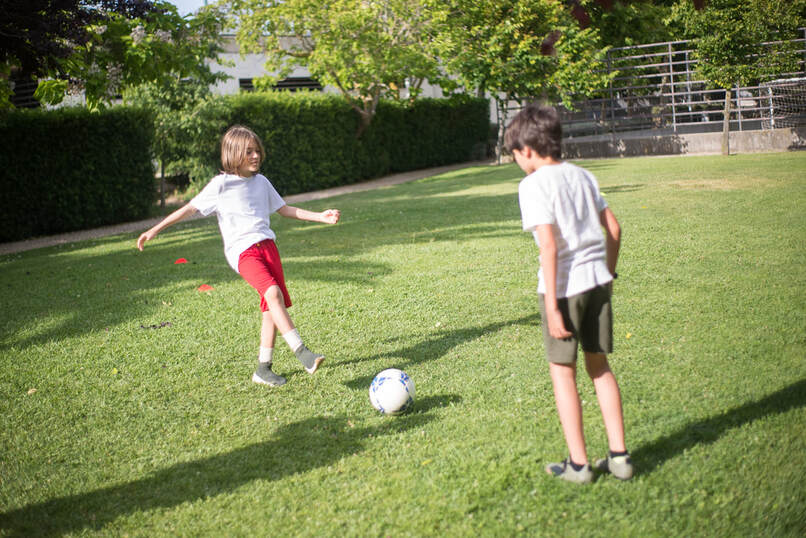
Physical education (PE) has become a staple in modern education due to its positive impact on the physical fitness of growing students. While many venerate PE for this attribute, few studies have been conducted on the effects of PE class on a student’s academic performance in other subjects.
One recent study was conducted on this basis to investigate the effects of PE during different times of the school day. The study used n-Gage, a dataset that tracked the heart rate (HR) of Australian high school students over the course of four school weeks. In general, the average heart rate for classes immediately following PE saw a significant decrease, indicating the possibility of a relaxation effect. Furthermore, the heart rate variability for classes after PE were stable and notably lower, meaning that the arousal of those students would be relatively constant throughout the class and they would be less likely to be affected by restlessness or stressors that may increase the heart rate.
Along with the recorded heart rate, n-Gage also included self-reported surveys that tracked the students’ personal reflections on their academic engagement (ability to focus and actively participate in class), arousal (alertness or attentiveness), and valence (pleasantness of stimulus). The students were divided into groups based on the time of their physical education, and the differences between these groups led to interesting conclusions about the effect of exercise on a student’s academic ability.
One recent study was conducted on this basis to investigate the effects of PE during different times of the school day. The study used n-Gage, a dataset that tracked the heart rate (HR) of Australian high school students over the course of four school weeks. In general, the average heart rate for classes immediately following PE saw a significant decrease, indicating the possibility of a relaxation effect. Furthermore, the heart rate variability for classes after PE were stable and notably lower, meaning that the arousal of those students would be relatively constant throughout the class and they would be less likely to be affected by restlessness or stressors that may increase the heart rate.
Along with the recorded heart rate, n-Gage also included self-reported surveys that tracked the students’ personal reflections on their academic engagement (ability to focus and actively participate in class), arousal (alertness or attentiveness), and valence (pleasantness of stimulus). The students were divided into groups based on the time of their physical education, and the differences between these groups led to interesting conclusions about the effect of exercise on a student’s academic ability.
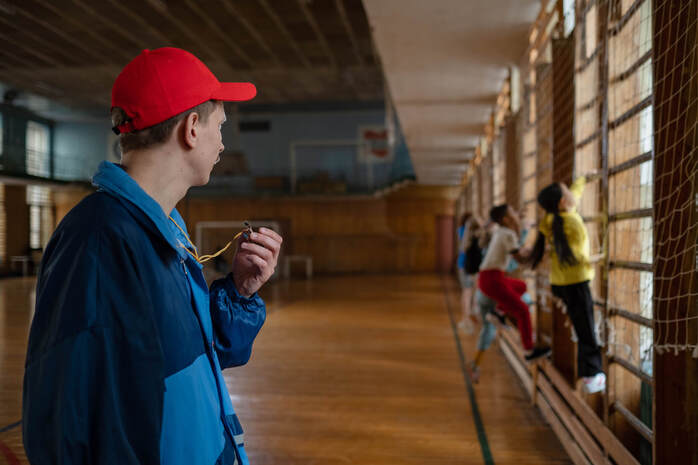
Physical Education courses provide a great way to develop motor skills and maintain physical fitness. But many people don’t realize how important exercise can be for improving learning.
Image Source: cottonbro studio
When students had PE in the morning, their academic engagement and arousal increased temporarily but eventually decreased significantly by afternoon. Conversely, for students who did not have morning PE, their arousal and engagement began low but increased over the course of the day. This indicates that the time of a student’s PE class can greatly affect their academic ability in future classes. Students with the morning class will stay more engaged and aroused during the morning while students with later PE classes will experience similar benefits towards the end of the day.
But these physiological and mental effects are not exclusive to just PE courses, as they can be applied to exercise and studying as a whole. When a student can’t seem to focus on their studies, a quick run or other physical activity will increase their ability to stay focused in the short run while keeping them attentive and aroused. On the other hand, if a student feels stressed about an upcoming exam, exercising may prove to be a great way to help remain relaxed throughout the day.
Schools continue to revise the curriculum of physical education and have begun thinking about how to best manipulate schedule PE to produce the best learning environment for students. Exercising remains a powerful tool for students, not just for its capabilities in improving physical education, but also for the ways it can improve student learning.
But these physiological and mental effects are not exclusive to just PE courses, as they can be applied to exercise and studying as a whole. When a student can’t seem to focus on their studies, a quick run or other physical activity will increase their ability to stay focused in the short run while keeping them attentive and aroused. On the other hand, if a student feels stressed about an upcoming exam, exercising may prove to be a great way to help remain relaxed throughout the day.
Schools continue to revise the curriculum of physical education and have begun thinking about how to best manipulate schedule PE to produce the best learning environment for students. Exercising remains a powerful tool for students, not just for its capabilities in improving physical education, but also for the ways it can improve student learning.
Featured Image Source: Kampus Production
RELATED ARTICLES
|
Vertical Divider

|
Vertical Divider
|
Vertical Divider

|
